

Pick Board Games

Gift Guide5 games

5 Board Games for People Who Don't Like Board Games

Five accessible gateway games with fast turns, simple rules, and zero tedious downtime to win over even the most stubborn skeptic.

This page contains affiliate links. If you buy through them we earn a commission and you pay the same.

Players
2–6
Age
7+
At the table
30–60 min

Find the perfect match for your skeptic

  • For the friend stuck on Monopoly and Risk

    Ticket to Ride

    It replaces endless roll-and-move rounds with quick, 15-minute rules and visual train routes across North America.

  • For the relaxed puzzle fan who hates confrontation

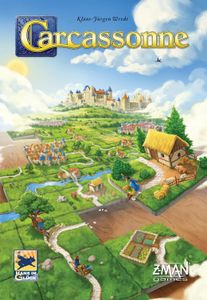
    Carcassonne

    Drawing and placing medieval landscape tiles feels like building a joint puzzle with virtually zero downtime between turns.

  • For the design-conscious skeptic who loves tactile crafts

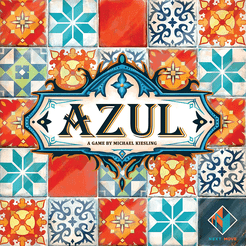
    Azul

    Heavy resin mosaic tiles and clean pattern drafting make it feel like a polished artisan puzzle rather than a nerdy game.

  • For the creative soul who runs away from rulebooks and numbers

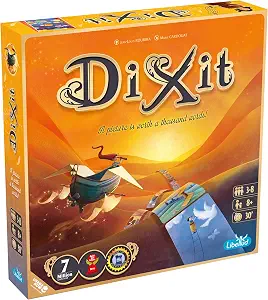
    Dixit

    Dreamlike surreal cards and intuitive word clues mean anyone can jump in without reading pages of strategy.

  • For the competitive skeptic who hates losing to friends

    Pandemic

    Everyone plays on the same team to cure four global outbreaks, so you celebrate or scramble together without direct rivalries.

Side by side

Technical comparison of all five games

Marks the most useful extreme in each row: largest group, youngest age, shortest game.

5 games compared
FeatureTicket to RideCarcassonneAzulDixitPandemic
Players2–52–52–43–6the largest group2–4
Age8+7+the lowest age8+8+8+
At the table30–60 min30–45 min30–45 min30 min45 min
PublisherDays of WonderHans im GlückNext Move GamesLibelludZ-Man Games
Year20042000201720082008
Buy

No buying link

No buying link

See on Amazon.comSee on Amazon.com

No buying link

The Lineup

Five approachable games to win over any skeptic

Ticket to Ride

Ticket to Ride

  • 2–5players
  • 8+years
  • 30–60 minat the table

Ticket to Ride turns the dread of complex rules into an immediate, visual train race. On your turn, you simply draw colored train cards, claim a route on the board, or pick new destination tickets. It takes under fifteen minutes to teach and keeps everyone engaged as tracks cross the map.

What works

  • Rules teach in under 15 minutes with only three simple turn options
  • Tangible, colorful train pieces and a clear North American map
  • Constant forward momentum that keeps every player invested

What to watch for

  • A blocked critical route late in the game can frustrate sensitive players
  • Rounds can stretch toward 60 minutes with five deliberate thinkers

No buying link
Carcassonne

Carcassonne

  • 2–5players
  • 7+years
  • 30–45 minat the table

Carcassonne builds a medieval landscape tile by tile, feeling more like a shared puzzle than an aggressive contest. Each turn takes seconds: draw a tile, lay it next to matching terrain, and decide whether to claim a road, city, or monastery with a meeple. There is no waiting around and no thick rulebook to memorize.

What works

  • Snappy turns with zero downtime: draw a tile and lay it down
  • Visually satisfying board that grows organically on the table
  • Scales smoothly from a peaceful 2-player evening to 5 players

What to watch for

  • Farmer scoring at the end can be confusing on a first playthrough
  • Tile luck can occasionally deny the exact piece you are waiting for

No buying link

Azul

Azul

  • 2–4players
  • 8+years
  • 30–45 minat the table

Azul hooks skeptics the moment they touch the chunky, ceramic-like resin tiles. Players take turns drafting colored tiles from central displays to fill pattern lines and decorate their palace wall. It delivers the satisfying feel of a tactile mosaic puzzle without any punishing math.

What works

  • Chunky resin tiles make every move tactile and satisfying
  • Clear draft choices that you grasp within two rounds
  • Fast 30 to 45 minute playtime that never drags

What to watch for

  • Spilling leftover tiles onto the floor line costs negative points
  • Competitive drafting can feel mean if an opponent forces you into unwanted tiles
See on Amazon.com
Dixit

Dixit

  • 3–6players
  • 8+years
  • 30 minat the table

Dixit swaps dry strategy and math for dreamlike illustrations and personal intuition. One player gives a clue for a whimsical card, and everyone else plays a card that might match the prompt before guessing which one was the original. It feels like a relaxed parlor activity where humor and imagination outshine winning.

What works

  • No complex rulebook or math: just images, words, and creative clues
  • Warm social atmosphere where every card reveal sparks conversation
  • Quick 30-minute duration that works across varied ages

What to watch for

  • Requires at least 3 players and really shines at 4 to 6
  • Vague clues can fall flat if players feel uninspired on their turn
See on Amazon.com
Pandemic

Pandemic

  • 2–4players
  • 8+years
  • 45 minat the table

Pandemic removes the friction of fighting your friends by uniting the entire room against the game itself. Players step into specialist roles to treat outbreaks and discover cures across a global map before diseases spread out of control. It turns a game night into an adrenaline-filled, collaborative crisis meeting where nobody loses alone.

What works

  • Fully cooperative gameplay eliminates any sore-loser friction
  • Distinct specialist roles give each player a unique job to do
  • Gripping, cinematic tension that keeps everyone talking together

What to watch for

  • Dominant players can try to direct everyone's turns (quarterbacking)
  • Losses can arrive swiftly if Epidemic cards chain together

No buying link

More guides for easy game nights

Frequently Asked Questions

Everything you need to know about gaming with skeptics

What do you play with someone who swears they don't like board games?

Start with games that have minimal rules and immediate tactile appeal. Ticket to Ride is ideal if they want a recognizable map and train pieces, while Azul hooks players with its gorgeous ceramic-style tiles. If they hate competitive friction, pick Pandemic so you can solve the board together.

Why do non-gamers dislike traditional board games (and how do modern games fix that)?

Most non-gamers base their dislike on tedious childhood classics like Monopoly or Risk, which suffer from player elimination, heavy dice luck, and hours of downtime. Modern games fix this with brisk turns, shared participation, and tight playtimes under an hour. In Carcassonne or Azul, turns take seconds and everyone stays involved.

How long should a game take to teach to a non-gamer?

Aim for a rules explanation under five to ten minutes. If a game requires reading multi-page rulebooks or cross-referencing charts before starting, skeptics will zone out. Ticket to Ride and Dixit can be explained in just a few minutes before dealing the first hand.

What are the best gateway board games for skeptics without overwhelming rules?

Ticket to Ride, Carcassonne, and Dixit are gold-standard gateway games. Ticket to Ride offers three clean turn choices (draw cards, claim a route, or take tickets). Carcassonne simply has you place one tile and optionally place one meeple. Dixit skips rules entirely in favor of imaginative storytelling.

Which of these games work best for two players or couples?

Carcassonne and Azul are the standout choices for two players, offering snappy turns and satisfying spatial puzzles with zero downtime or direct hostility. Ticket to Ride and Pandemic also scale smoothly down to two. However, avoid Dixit if you only have two players at the table, as its secret clue and voting mechanics require a minimum of three players (and truly shine with four or more).

Are cooperative games better than competitive ones for people who hate losing?

Yes. In a cooperative title like Pandemic, all players work as disease-fighting specialists against the board itself. Removing direct rivalry eliminates the fear of being crushed by an experienced player, turning game night into a shared puzzle where the whole table wins or loses together.

How long should a game last so casual players don't feel trapped?

Keep the session between 30 and 45 minutes for first-timers. Games like Dixit and Azul clock in right around 30 to 45 minutes, ensuring the experience ends while everyone is still engaged and having fun, rather than wishing the game would wrap up.

Updated 12 October 2026 · from our own catalogue