Pick Board Games

Comparison4 games

4 Quick Family Board Games for Half-Hour Sessions

Whether you want push-your-luck dice rolling, hand management, waterproof card play, or engine building, compare these four accessible titles to find the right fit for your group.

This page contains affiliate links. If you buy through them we earn a commission and you pay the same.

Players
2–10
Age
7+
At the table
30–45 min

Game by game

Detailed breakdown of each pick

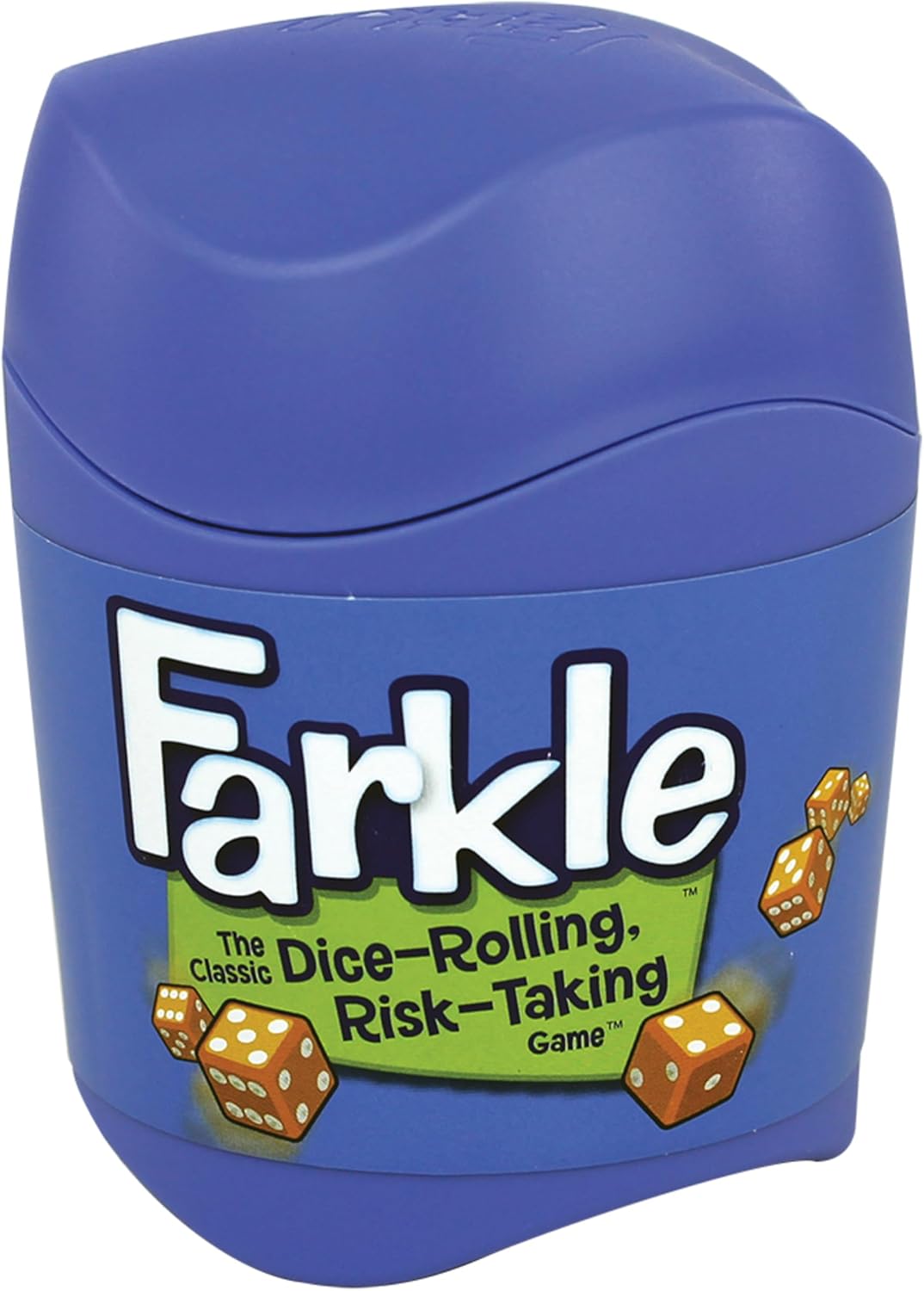
Farkle

Farkle

  • 2–6players
  • 8+years
  • 30 minat the table

A traditional press-your-luck dice game where you bank points from scoring combinations or risk everything on another roll. The tension comes entirely from deciding when to stop before a blank roll wipes out your turn's tally.

What works

  • Simple scoring combinations make it quick to teach to mixed-experience groups
  • Dynamic risk-reward choices keep every dice roll engaging for everyone watching

What to watch for

  • A run of bad rolls can leave you completely scoreless through no fault of your own
  • Downtime grows noticeably as other players take long, extended turns rolling dice
See on Amazon.com
Play Nine

Play Nine

  • 2–6players
  • 8+years
  • 45 minat the table

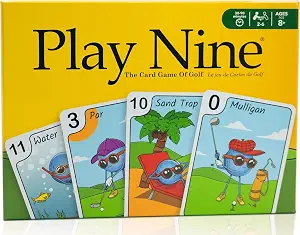
A golf-themed card game where you reveal, swap, and discard cards across a personal grid to keep your final score as low as possible. Matching vertical pairs helps cancel out high numbers before someone triggers the round's end. Playing a shorter 5-hole or 6-hole round comfortably brings Play Nine down to the 25–30 minute mark, making it just as quick as Farkle and Splendor.

What works

  • Column-matching mechanics offer satisfying tactical mitigation against high-value draws
  • Straightforward hand-management rules that anyone familiar with classic card games can pick up immediately
  • Scales easily to 25–30 minutes by playing 5 or 6 holes instead of the full 9

What to watch for

  • Blind card draws create heavy variance that strategic swaps cannot always overcome
  • Player interaction is minimal beyond monitoring when opponents might trigger the round's end
See on Amazon.com
UNO H2O Splash

UNO H2O Splash

  • 2–10players
  • 7+years
  • 30 minat the table

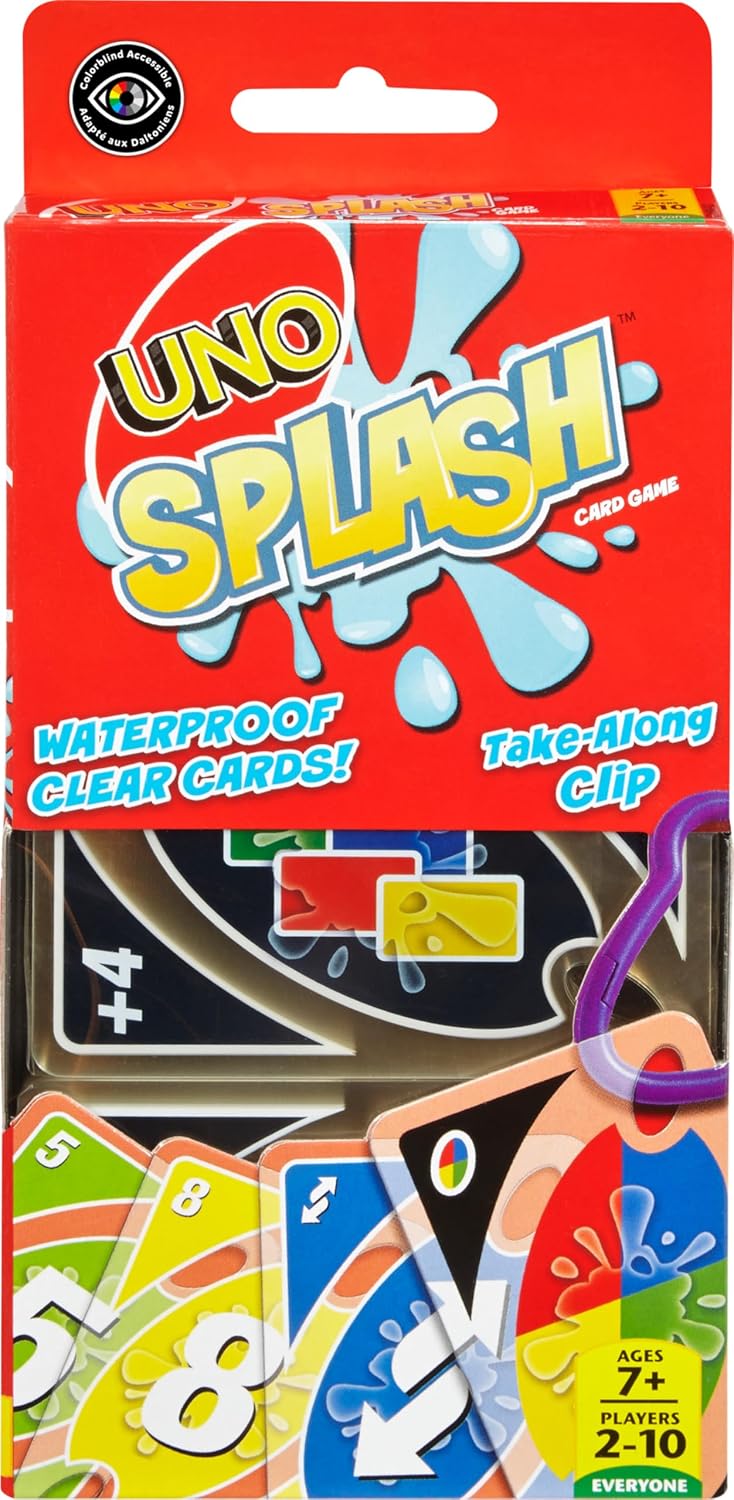
A poolside spin on classic shedding gameplay featuring durable waterproof cards and a shaker unit that injects unpredictable action commands into each round. First-to-three-round scoring replaces traditional point arithmetic for quicker round transitions.

What works

  • Durable plastic cards resist water damage and wipe clean easily outdoors
  • Streamlined round-win objective removes the need for between-round math

What to watch for

  • The random shaker mechanic overrides tactical card play with pure chance
  • Bulky mechanical components make it less portable than the standard card deck
See on Amazon.com
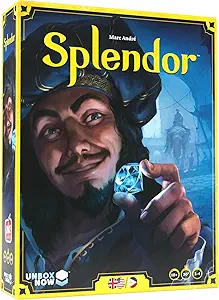
Splendor

Splendor

  • 2–4players
  • 10+years
  • 30 minat the table

An engine-building race where you collect gemstone tokens to purchase development cards that provide permanent discounts on future acquisitions. The efficiency curve rewards planning several turns ahead to attract visiting nobles before your rivals do.

What works

  • Clear engine-building progression where early resource discounts accelerate later turns
  • Card reserving lets you disrupt opponents while protecting critical pieces of your plan
  • High-density poker-style tokens provide substantial tactical satisfaction during play

What to watch for

  • Turns often become quiet and introspective with little verbal table talk
See on Amazon.com

Side by side

Specs across the table

Marks the most useful extreme in each row: largest group, youngest age, shortest game.

4 games compared
FeatureFarklePlay NineUNO H2O SplashSplendor
Players2–62–62–10the largest group2–4
Age8+8+7+the lowest age10+
At the table30 min45 min30 min30 min
Publisher(Public Domain)Double A ProductionsMattel, Inc.Space Cowboys
Year1930200420052014
BuySee on Amazon.comSee on Amazon.comSee on Amazon.comSee on Amazon.com

Which one fits your group

  • For pure push-your-luck drama

    Farkle

    Every turn forces a direct choice between banking your accumulated score and risking a total wipeout on another roll.

  • For tactical engine building

    Splendor

    Purchased cards grant permanent discounts toward future turns, rewarding long-term efficiency and timing over card draws.

  • For large gatherings outdoors

    UNO H2O Splash

    Waterproof cards survive poolside play, and winning three hands avoids keeping running score tallies across a big table.

  • For casual card swapping with low conflict

    Play Nine

    Focuses on personal grid management and pairing up columns to shave points without hostile direct targeting.

More quick and casual game guides

Questions

Questions buyers ask

Can all these 30 minute board games be finished in half an hour?

Yes. Farkle, UNO H2O Splash, and Splendor naturally finish in 25 to 30 minutes. Play Nine takes 45 minutes for a full 9-hole round, but playing 6 holes keeps it comfortably under the 30-minute mark without losing any fun.

Which game requires the least rule explanation for a casual group?

Farkle or UNO H2O Splash. Farkle relies on basic set collection and push-your-luck rolls with zero board setup. UNO H2O Splash simplifies classic card shedding by replacing round-end arithmetic with straightforward hand counts, though the shaker device adds extra physical interruptions.

Which option offers the most strategic depth without overwhelming newer players?

Splendor. The open drafting market and engine-building discounts reward long-term planning and reading rival moves, yet turns come down to taking tokens, reserving, or buying a card.

Which game handles large gatherings without stalling?

UNO H2O Splash is the only option here that stretches comfortably to larger party sizes. Farkle accommodates larger tables as well, but individual rolling streaks can leave you waiting a while between turns.

How do Play Nine and Farkle compare for family table play?

Play Nine keeps everyone focused on private grid optimization and simple column matching, where bad flips affect only your own score. Farkle brings higher individual volatility because a single failed roll wipes out an entire turn's banked points.

How do these quick family games differ in pace and momentum?

Farkle builds its momentum entirely around immediate risk. Every turn tempts you to roll once more for a higher tally, knowing that a single dead throw wipes out everything you banked during that round. Splendor operates at the opposite end of planning. Instead of pushing your luck on individual turns, you spend early actions gathering chips to buy development cards, gradually assembling an engine that discounts future purchases and races toward the target score.

Updated 15 October 2026 · from our own catalogue